
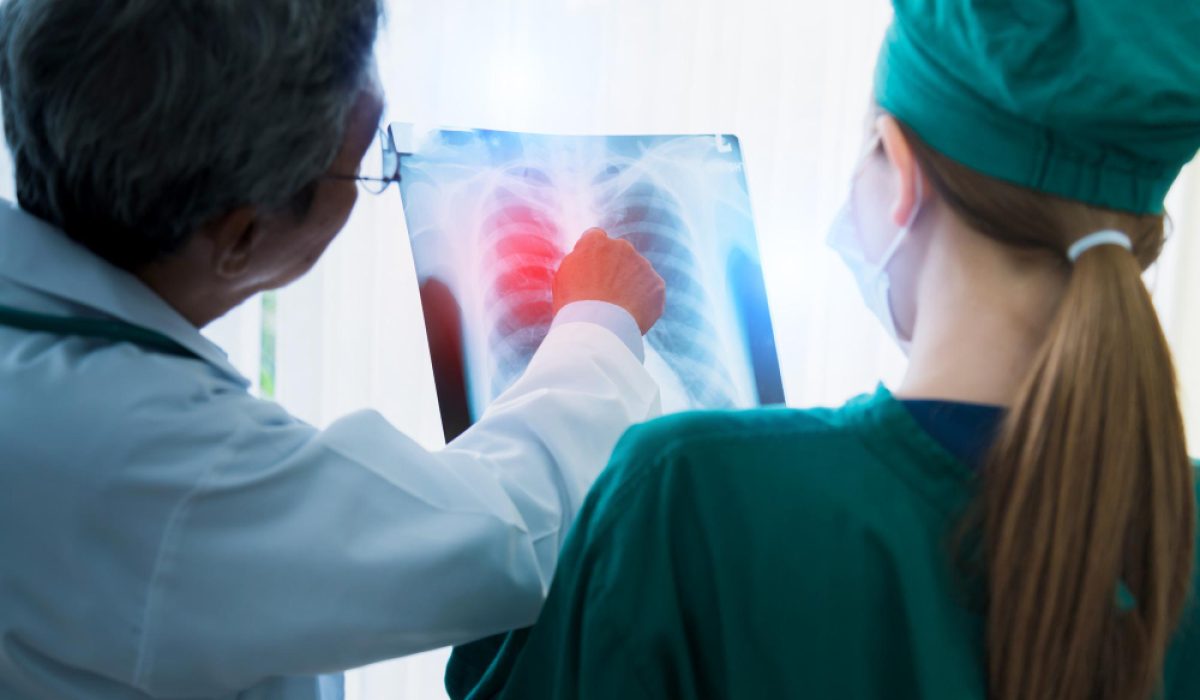
Introduction to Lung Health and Fiberoptic Bronchoscopy
Lung health is vital for a good quality of life. Healthy lungs help you breathe easily and stay active. However, sometimes doctors need to look inside your lungs to find problems. Fiberoptic bronchoscopy is a safe and helpful tool for this. In many cities, fiberoptic bronchoscopy for lung health is now common. This procedure helps doctors diagnose and treat lung issues quickly.
What is Fiberoptic Bronchoscopy?
Fiberoptic bronchoscopy is a test that lets doctors see inside your airways and lungs. They use a thin, flexible tube called a bronchoscope. This tube has a light and camera at the end. Because of this, doctors can see clear images of your lung passages. The test is usually done in a hospital or clinic. It is often used to find the cause of breathing problems or lung infections.
Indications: When is Fiberoptic Bronchoscopy Needed?
Doctors may suggest fiberoptic bronchoscopy for several reasons. For example, it helps when other tests do not give enough answers. Some common reasons include:
Sometimes, it is also used to treat certain lung problems directly.
How the Procedure Works
First, the doctor will explain the steps to you. Usually, you will get medicine to help you relax. Next, the doctor gently passes the bronchoscope through your nose or mouth. Then, the tube moves down into your windpipe and lungs. Because the tube is flexible, it can reach many parts of your lungs. During the procedure, the doctor may take pictures or collect small tissue samples. Most people feel only mild discomfort. The test usually takes 30 to 60 minutes.
Benefits for Lung Health
Fiberoptic bronchoscopy offers many benefits for lung health improvement. For instance, it helps doctors find the exact cause of lung problems. Early diagnosis means you can start treatment sooner. In addition, doctors can remove blockages or foreign objects during the procedure. This can help you breathe better right away. Overall, bronchoscopy procedure benefits include:
Because of these benefits, fiberoptic bronchoscopy is an important tool for lung health.
Risks and Safety Considerations
Although fiberoptic bronchoscopy is safe, there are some risks. Most people have no serious problems. However, possible risks include:
Doctors follow strict safety steps to lower these risks. According to the CDC, serious side effects are rare. If you feel unwell after the test, contact your doctor right away.
Preparation and Aftercare
Proper preparation helps the procedure go smoothly. Before the test, your doctor will give you clear instructions. For example, you may need to avoid eating or drinking for a few hours. Also, tell your doctor about any medicines you take. After the test, you may feel sleepy or have a mild sore throat. Because of this, it is best to rest for the day. Drink water and eat soft foods if your throat feels sore. If you notice chest pain, heavy bleeding, or trouble breathing, seek help at once.
Prevention and Lifestyle Tips for Better Lung Health
Even though fiberoptic bronchoscopy helps diagnose problems, keeping your lungs healthy is important. Here are some simple tips:
With these habits, you can support your lung health every day.
Frequently Asked Questions
In summary, fiberoptic bronchoscopy is a safe and effective way to improve lung health. If you have ongoing lung problems, consult a pulmonologist for personalized advice on lung health and fiberoptic bronchoscopy.